
A future surface vessel for measurement, sampling and air–water cooperation.
From the air. At the surface
A surface vessel could reach a local measurement or sample point while aerial observation provides context. Triton explores that relationship as a future part of the system.
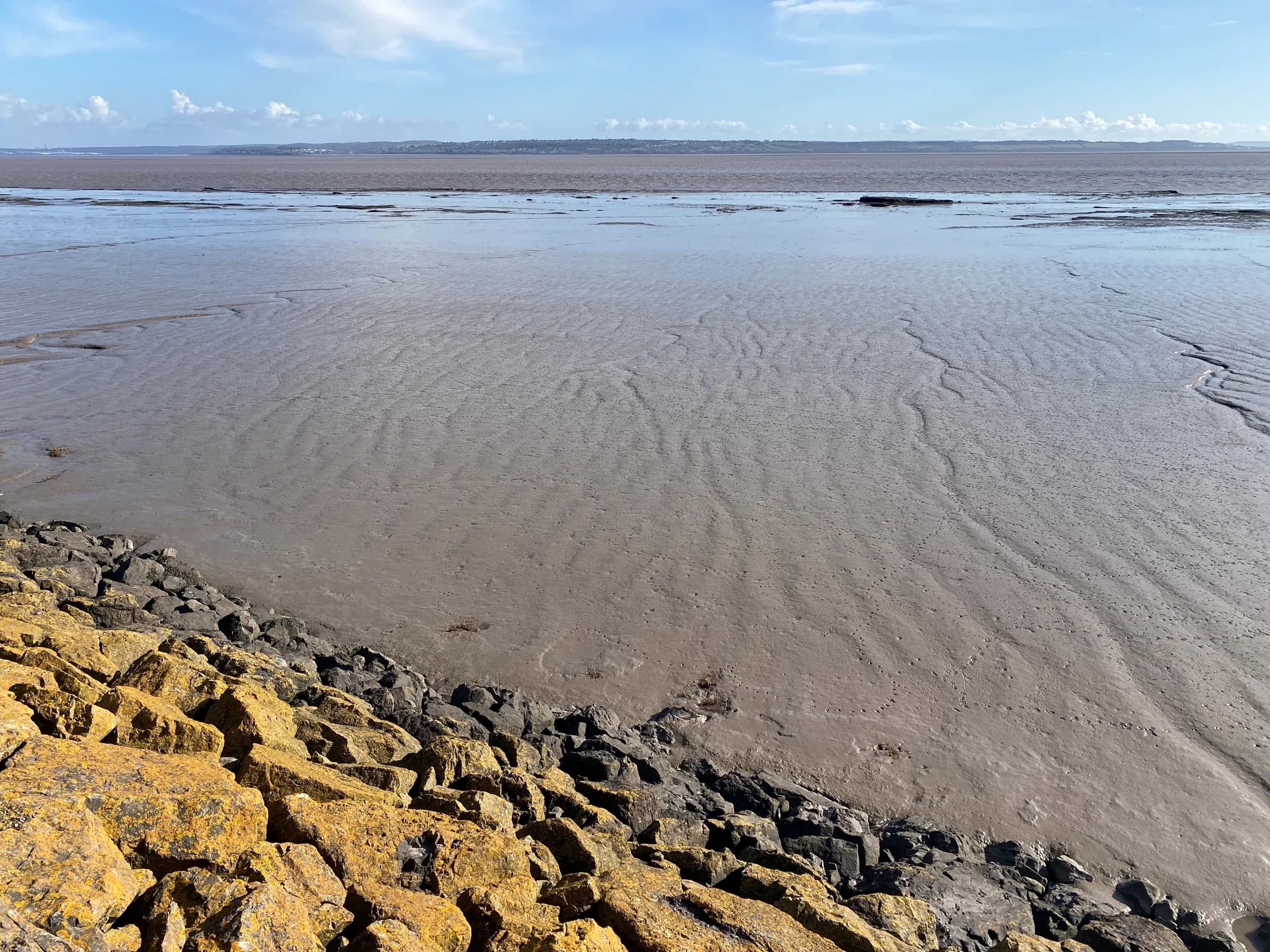
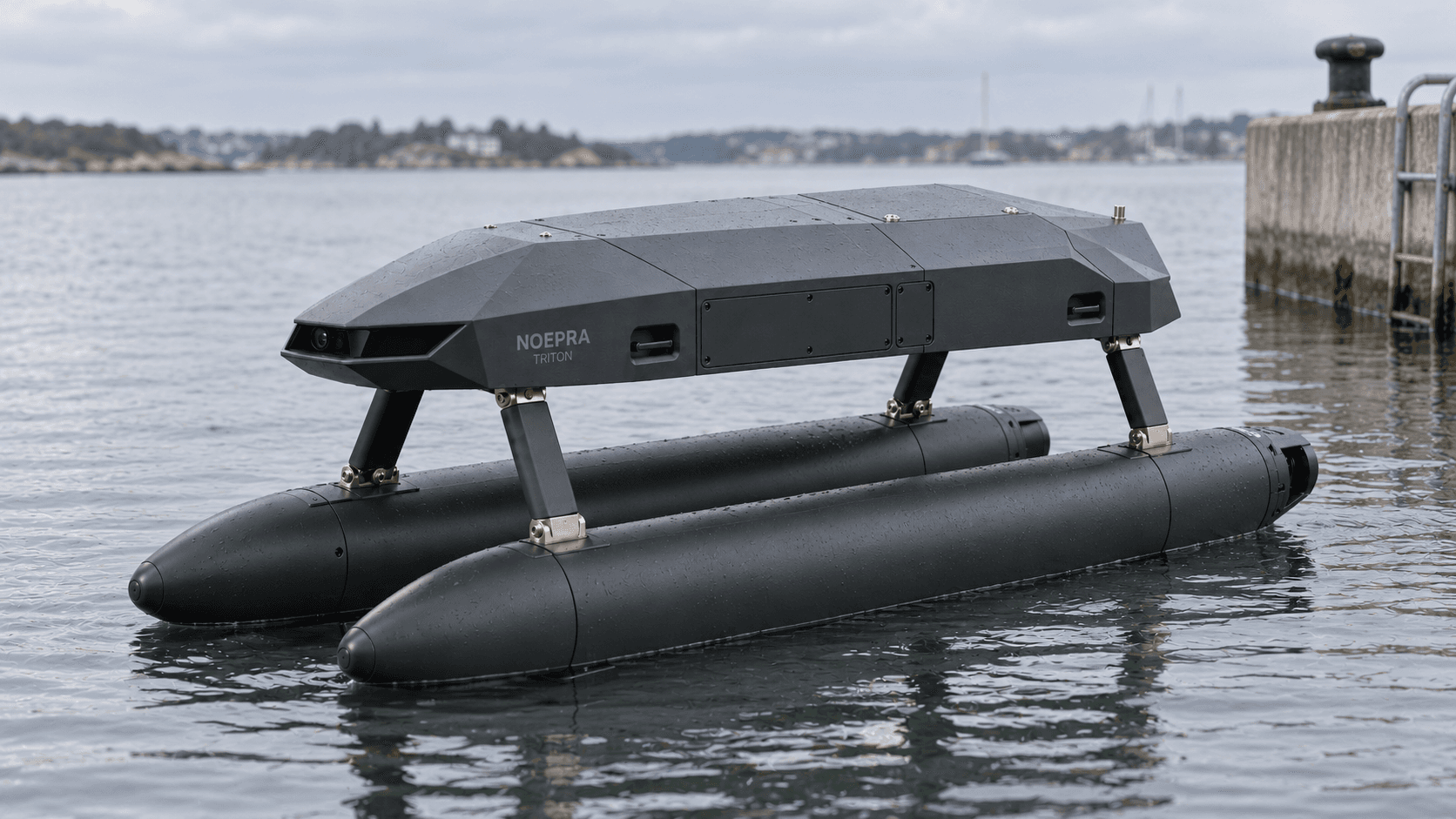
Surface evidence
Water-surface observations and local sampling tasks.
Survey
Aerial context can help define the area of interest. The surface vessel direction brings observations closer to the water.
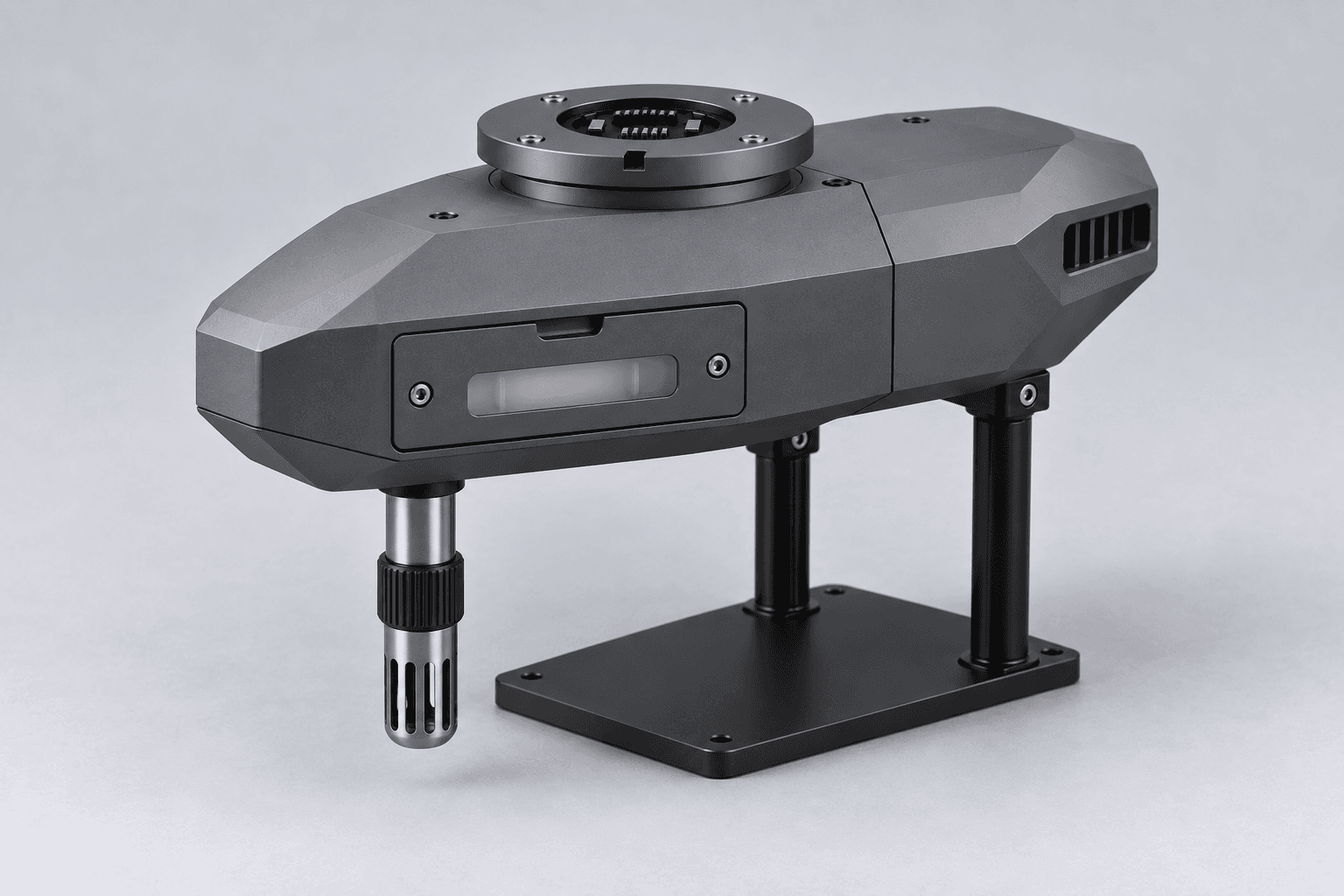
Sample
Define the measurement or sample, its location and handling requirements. Instruments and compatibility are selected for the project.
Keep a decision connected to its evidence
Source evidence
Files, observations and annotations
Human review
Advice, comments and decisions
Task record
History, linked evidence and report
Relate
Bring surface evidence and aerial observations into a reviewable record. Air–water coordination remains a future development direction.
Triton
A sample needs a route back to its source
A water task continues after the vessel reaches its point. The inlet position, container, collection time and cleaning process all affect what can later be interpreted. Triton’s direction brings these steps into the platform layout, including how a person can retrieve and inspect the sample.
Useful starting information includes the sampling location, intended analysis, repeat interval and recovery access. These help distinguish a platform question from a sampling-method question. Vessel performance and sample validity need their own measurements; neither follows from the appearance of a concept boat.